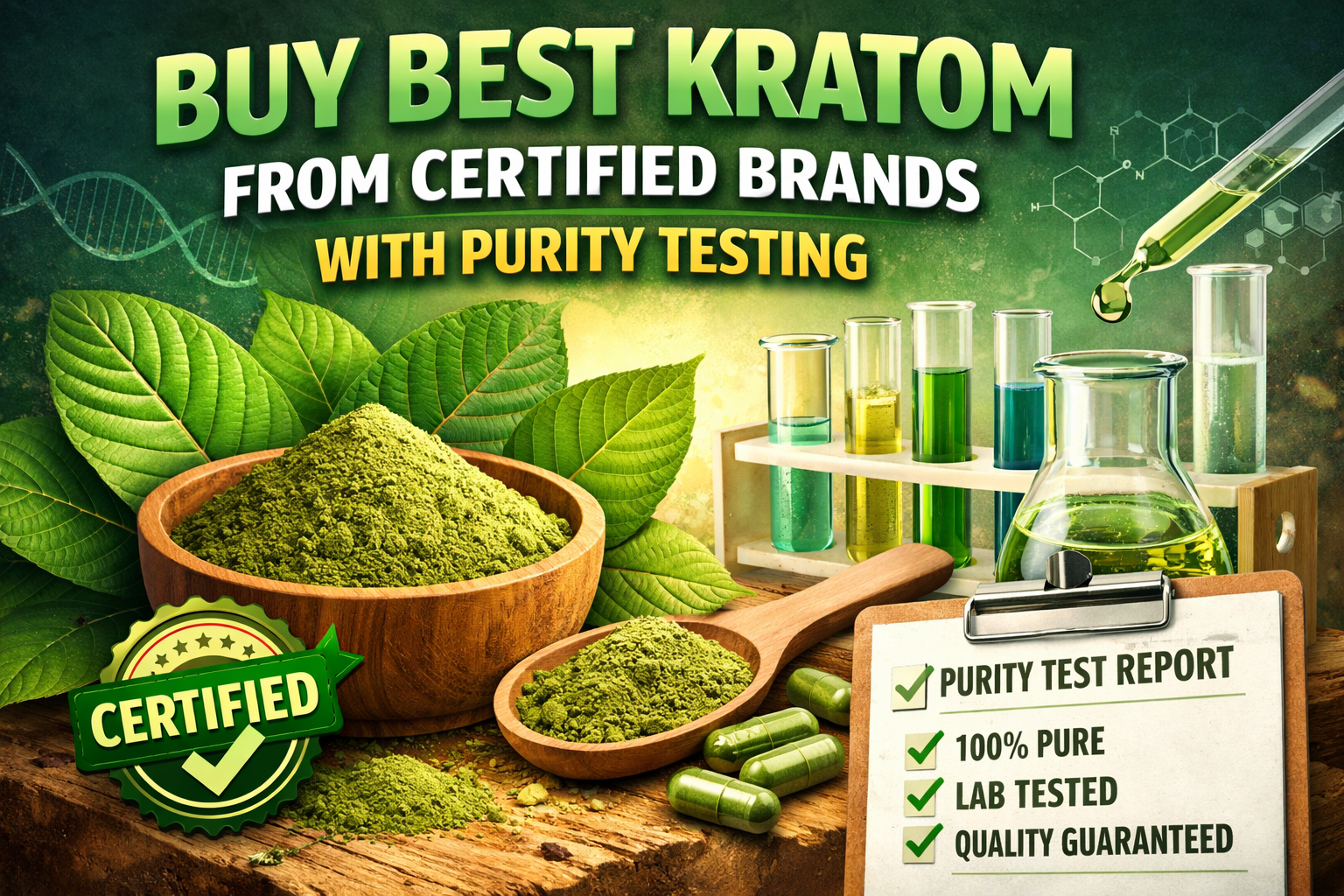
In a market flooded with questionable products and unverified claims, finding authentic, lab-tested kratom has become more challenging than ever. Consumers seeking quality kratom products face a critical decision: trust unknown vendors or invest in Best Kratom Brands that prioritize transparency, purity testing, and customer safety. The difference between certified and uncertified kratom can mean the difference between a safe, effective experience and potential health risks from contaminated or adulterated products.
- ✅ Certified brands with third-party lab testing ensure product purity and safety
- 🔬 Purity testing identifies contaminants, heavy metals, and alkaloid content
- 🏆 Reputable vendors provide transparent lab reports and GMP certification
- 💡 Quality indicators include proper sourcing, batch testing, and clear labeling
- 🛡️ Consumer protection comes from choosing brands with verified testing protocols
Understanding Kratom Quality Standards
Quality kratom begins with proper sourcing and continues through rigorous testing protocols. The best manufacturers understand that purity isn’t optional—it’s essential for consumer safety and product efficacy.
What Makes a Brand “Certified”?
Certification in the kratom industry involves multiple layers of verification:
- GMP (Good Manufacturing Practice) compliance
- American Kratom Association (AKA) GMP certification
- Independent third-party laboratory testing
- Transparent documentation and batch tracking
- Proper handling and storage procedures
These certifications ensure that products meet strict quality benchmarks from harvest to packaging.
The Critical Role of Purity Testing
When evaluating Kratom Vendors, purity testing stands as the most important differentiator between premium and substandard products. Laboratory analysis reveals what the naked eye cannot detect, protecting consumers from potentially dangerous substances.
What Lab Tests Should Cover
Comprehensive purity testing examines multiple factors:
| Test Type | Purpose | Why It Matters |
|---|---|---|
| Heavy Metals | Detects lead, mercury, arsenic | Prevents toxic exposure |
| Microbiology | Identifies bacteria, mold, yeast | Ensures product safety |
| Alkaloid Profile | Measures mitragynine/7-hydroxymitragynine | Confirms potency and authenticity |
| Contaminants | Screens for pesticides and adulterants | Protects from harmful chemicals |
🔍 Pro Tip: Always request current Certificates of Analysis (COAs) before purchasing. Legitimate brands make these readily available.
Identifying the Best Kratom Brands
Not all kratom companies operate with the same standards. The best kratom brands distinguish themselves through consistent quality, transparency, and customer commitment.
Top Indicators of Quality Brands
Transparency and Documentation 📋
- Batch-specific lab results accessible online
- Clear sourcing information from Southeast Asian suppliers
- Detailed product descriptions with strain information
- Responsive customer service team
Manufacturing Standards ⚙️
- AKA GMP-certified facilities
- Climate-controlled storage environments
- Sterile packaging processes
- Proper labeling with lot numbers and expiration dates
Customer-Focused Practices 💚
- Money-back satisfaction guarantees
- Educational resources about kratom
- Honest marketing without exaggerated claims
- Responsive communication channels
Why Third-Party Testing Matters
In-house testing, while better than nothing, creates potential conflicts of interest. Third-party laboratory verification provides unbiased analysis that consumers can trust.
Benefits of Independent Testing
Independent labs offer several advantages:
- Objectivity – No financial incentive to falsify results
- Expertise – Specialized equipment and trained technicians
- Credibility – Recognized certification and accreditation
- Comprehensive analysis – Multiple testing parameters
- Documentation – Official COAs that verify claims
“Third-party testing isn’t just a nice feature—it’s the foundation of consumer trust in an unregulated market. Without independent verification, quality claims are merely marketing.” – Kratom Industry Expert
Red Flags to Avoid When Shopping
Knowing what to avoid is equally important as knowing what to seek. Several warning signs indicate questionable vendors:
Warning Signs of Low-Quality Vendors ⚠️
- No lab testing or refusal to provide COAs
- Unrealistic claims about effects or benefits
- Extremely low prices that seem too good to be true
- Poor packaging with missing batch information
- Negative reviews highlighting contamination or illness
- Lack of transparency about sourcing or processing
- Pressure tactics or aggressive marketing
- No contact information or customer service
How to Verify Lab Reports
Receiving a lab report means nothing if you cannot interpret it properly. Understanding COAs empowers informed purchasing decisions.
Reading a Certificate of Analysis
Key elements to examine:
Header Information
- Laboratory name and accreditation
- Date of testing (should be recent)
- Batch or lot number matching the product
Test Results
- Pass/fail status for each category
- Specific measurements for alkaloids
- Detection limits for contaminants
- Clear indication of safety thresholds
Laboratory Signature
- Official stamp or seal
- Technician credentials
- Contact information for verification
📱 Smart Tip: Call the testing laboratory directly to confirm report authenticity if you have any doubts.
The Value of GMP Certification
Good Manufacturing Practice standards provide a comprehensive framework for quality control. GMP-certified kratom brands follow strict protocols that minimize contamination risks.
GMP Requirements for Kratom
Certified facilities must maintain:
- Clean manufacturing environments with regular sanitation
- Documented procedures for every production step
- Quality control checkpoints throughout processing
- Employee training programs on safety and handling
- Traceability systems from raw material to finished product
- Regular audits by certification bodies
Comparing Popular Certified Brands
While individual preferences vary, certain brands consistently demonstrate commitment to quality and testing standards.
What Top Brands Have in Common
Leading kratom companies share these characteristics:
✨ Consistent Quality
- Uniform product batches
- Reliable potency levels
- Fresh, properly stored inventory
✨ Customer Education
- Detailed strain information
- Usage guidelines and safety information
- Transparent communication about limitations
✨ Ethical Practices
- Fair trade sourcing when possible
- Honest marketing without hype
- Commitment to industry advocacy
Storage and Freshness Considerations
Even the highest-quality kratom degrades without proper storage. Certified brands implement preservation measures that maintain product integrity.
How Premium Brands Preserve Quality
Packaging Innovations 📦
- Vacuum-sealed bags preventing oxygen exposure
- UV-protective containers blocking light degradation
- Resealable closures maintaining freshness
- Moisture-barrier materials preventing humidity damage
Inventory Management
- First-in, first-out rotation systems
- Climate-controlled warehouses
- Regular quality checks on stored products
- Clear expiration dating
Building a Relationship with Your Vendor
The best purchasing experience comes from establishing trust with reputable suppliers. Long-term relationships benefit both consumers and brands.
Benefits of Vendor Loyalty
Consistent customers often enjoy:
- Better pricing through loyalty programs
- Early access to new strains or products
- Personalized recommendations based on preferences
- Priority customer service for questions or concerns
- Exclusive updates about testing or sourcing changes
Price vs. Quality Balance
While budget matters, the cheapest kratom rarely represents the best value. Understanding pricing helps identify fair deals versus concerning bargains.
What Affects Kratom Pricing?
Several factors influence legitimate pricing:
| Cost Factor | Impact on Price |
|---|---|
| Lab testing | Adds $50-200 per batch |
| GMP certification | Increases operational costs 15-25% |
| Premium sourcing | Higher raw material costs |
| Proper storage | Climate control expenses |
| Quality packaging | Better materials cost more |
Remember: Suspiciously cheap kratom often cuts corners on testing, sourcing, or handling—costs that transfer to consumer risk.
Questions to Ask Before Purchasing
Armed with the right questions, consumers can quickly assess vendor credibility and product quality.
Essential Vendor Questions 🤔
- Can you provide current lab reports for this specific batch?
- What third-party laboratory do you use for testing?
- Are you AKA GMP-certified?
- Where do you source your kratom?
- How do you store products before shipping?
- What is your contamination or quality guarantee?
- Can I speak with someone knowledgeable about your products?
- How long has this batch been in inventory?
Reputable vendors answer these questions readily and enthusiastically.
The Role of Customer Reviews
While lab reports provide objective data, customer experiences offer subjective insights into vendor reliability and product consistency.
Evaluating Review Authenticity
Look for reviews that mention:
- Specific details about products and experiences
- Balanced perspectives including minor criticisms
- Verification markers from confirmed purchases
- Consistent themes across multiple reviewers
- Recent dates reflecting current operations
⚠️ Be skeptical of exclusively five-star reviews or generic praise without substance.
Sustainability and Ethical Sourcing
The best kratom brands recognize their responsibility to farming communities and environmental sustainability.
Ethical Sourcing Practices
Quality-focused vendors prioritize:
- Direct relationships with Southeast Asian farmers
- Fair compensation supporting local communities
- Sustainable harvesting preserving kratom trees
- Environmental protection in growing regions
- Cultural respect for traditional practices
These practices ensure long-term kratom availability while supporting origin communities.
Conclusion
Purchasing kratom from certified brands with comprehensive purity testing represents an investment in safety, quality, and peace of mind. The kratom market continues to evolve, but one constant remains: certified testing and transparent practices separate reputable vendors from questionable operators.
By prioritizing GMP-certified brands, demanding third-party lab verification, and understanding quality indicators, consumers protect themselves while supporting industry standards that benefit everyone. The extra effort to verify certifications and review lab reports pays dividends in product safety and effectiveness.